Routine well testing
Annual Well Safety Check
Bacteria · Metals & minerals · Water chemistry
$204.00
View test COLLECT AT HOME. TEST IN A LAB.
A sample from your tap. Analysis by a certified laboratory. Understand what is in your well water, with a test that fits your concerns.
Sample kit, laboratory analysis, and results report.
Prepaid return packaging included.
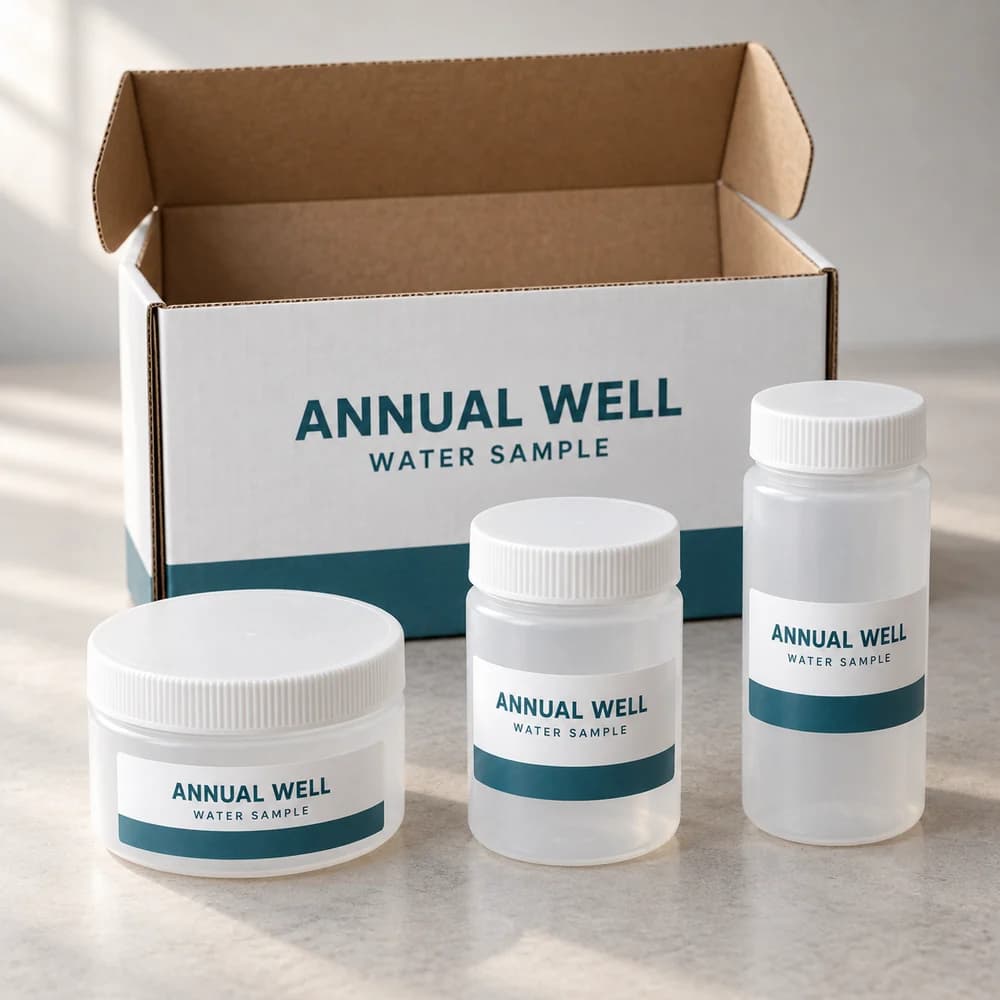
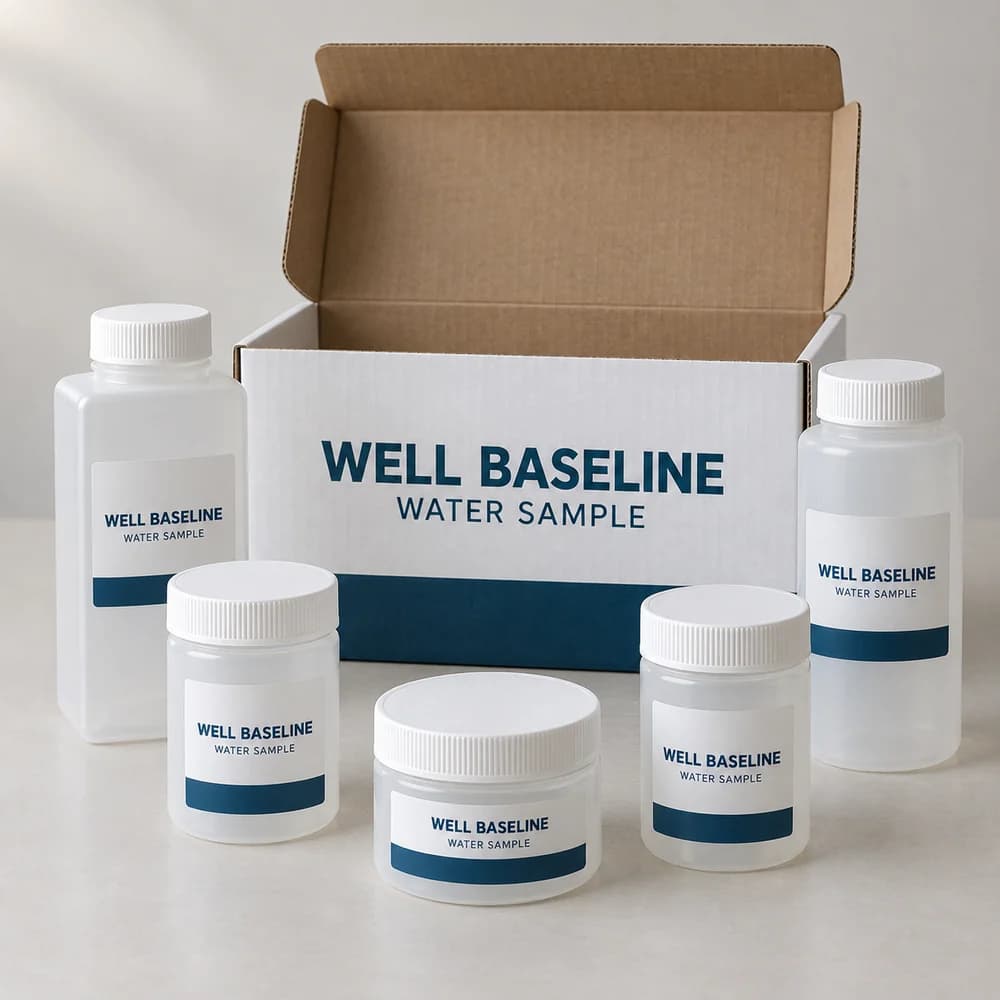
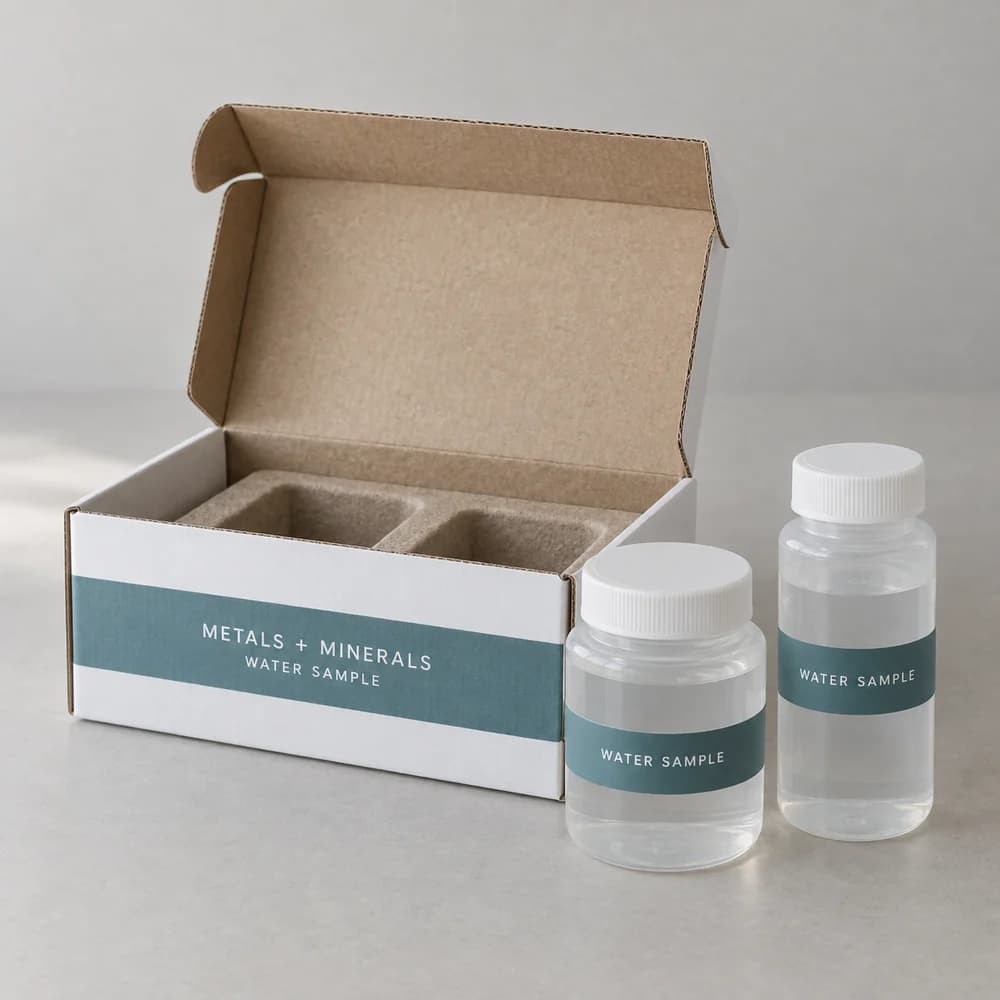
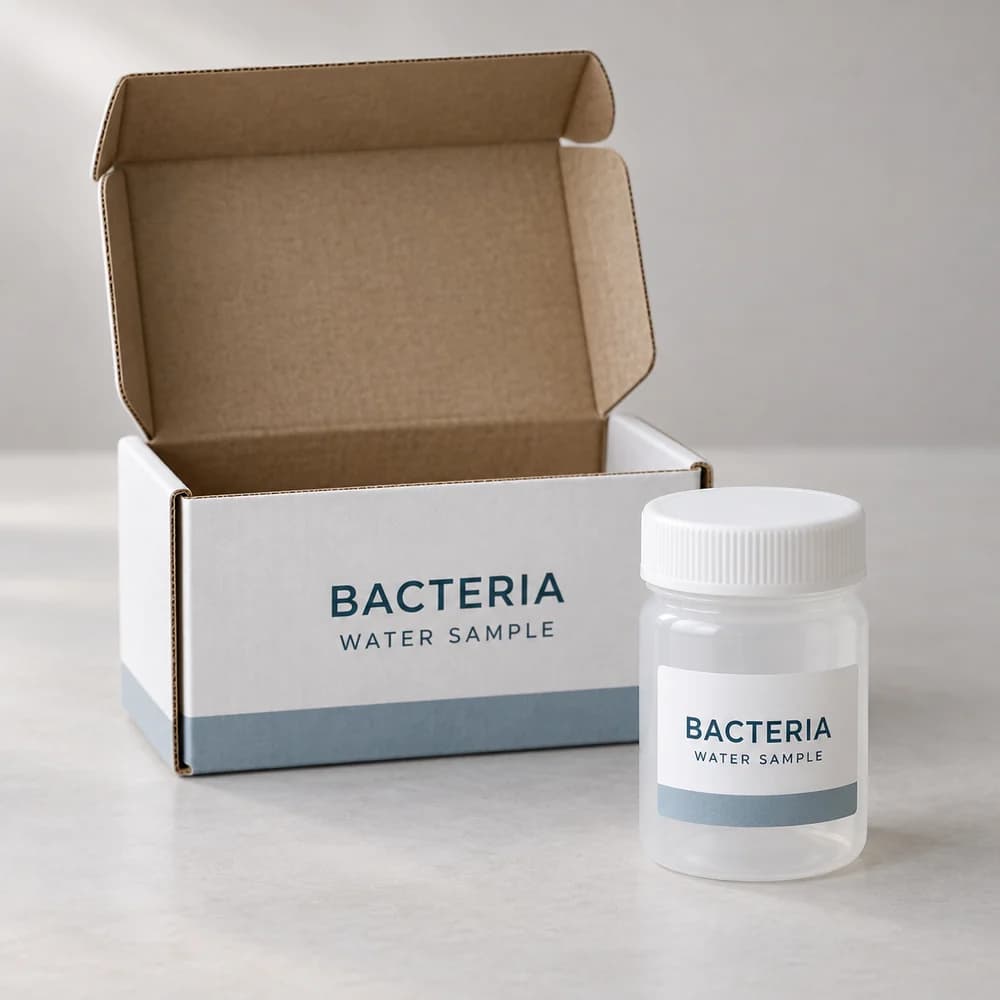
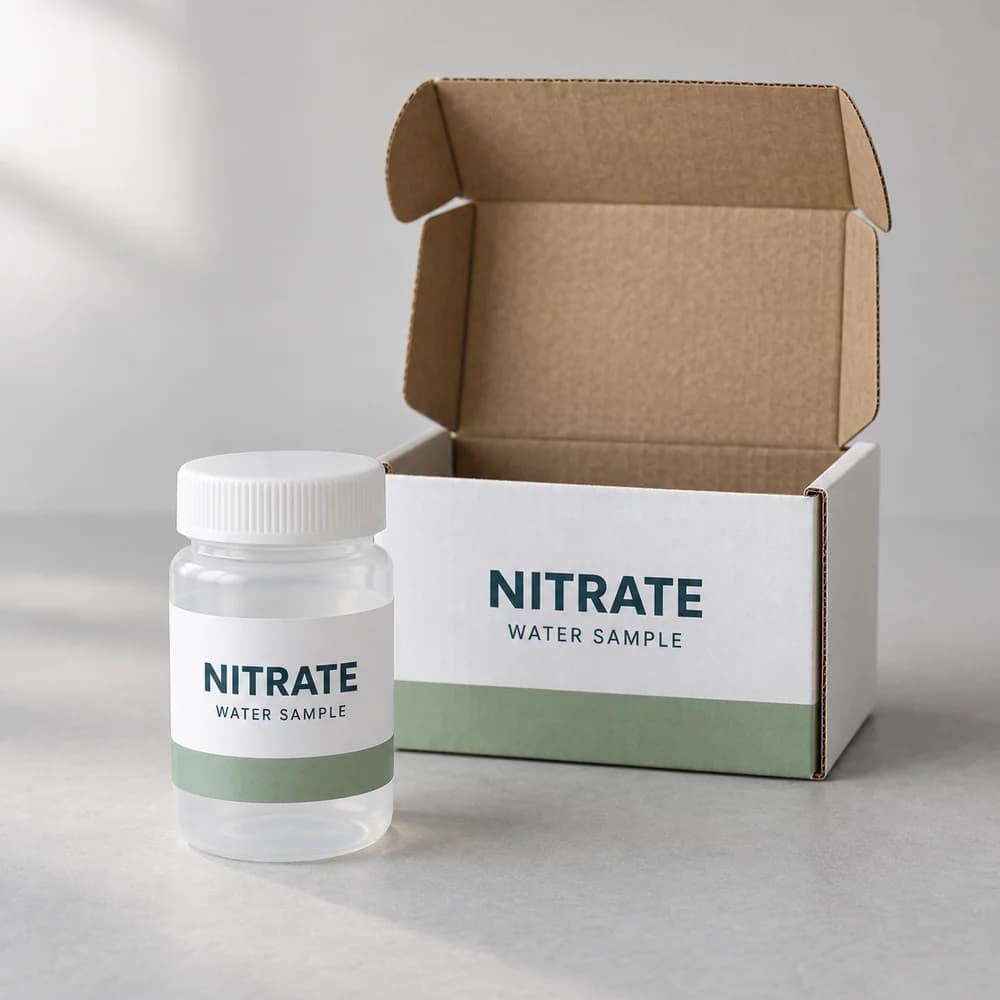
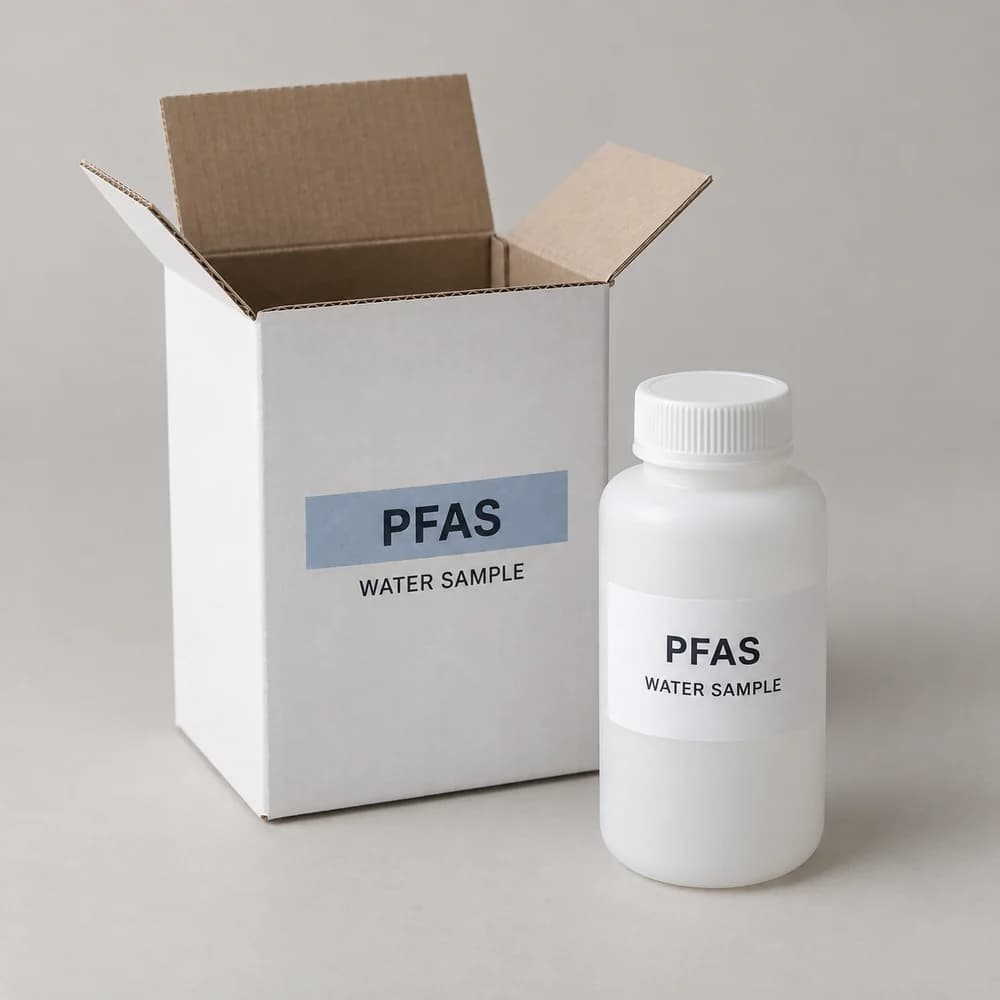
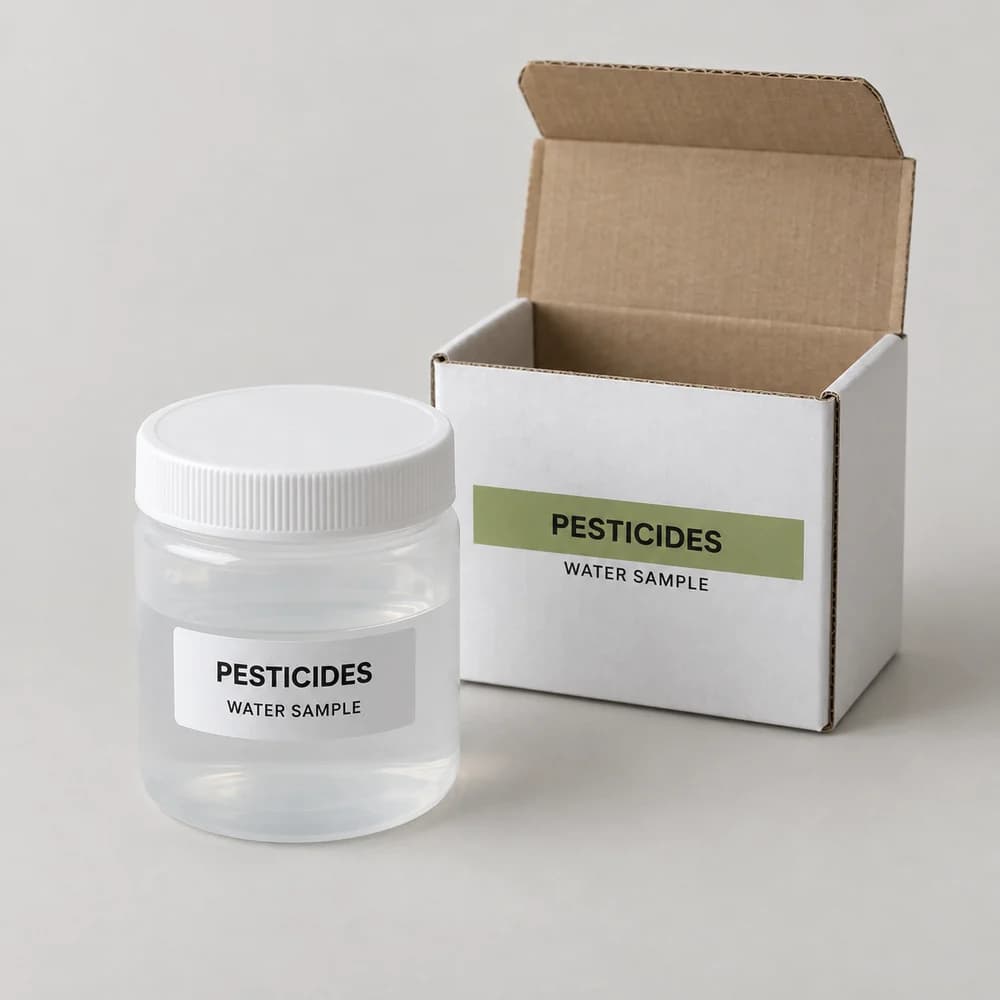
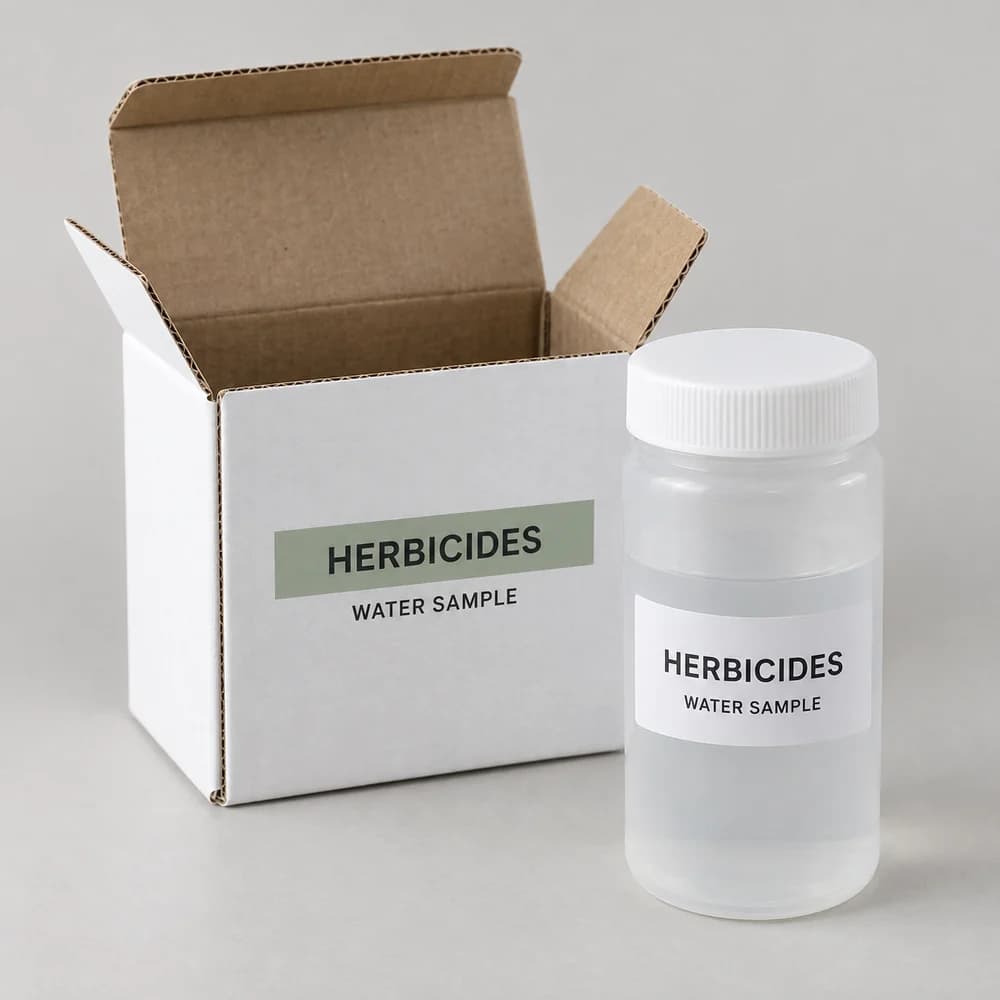
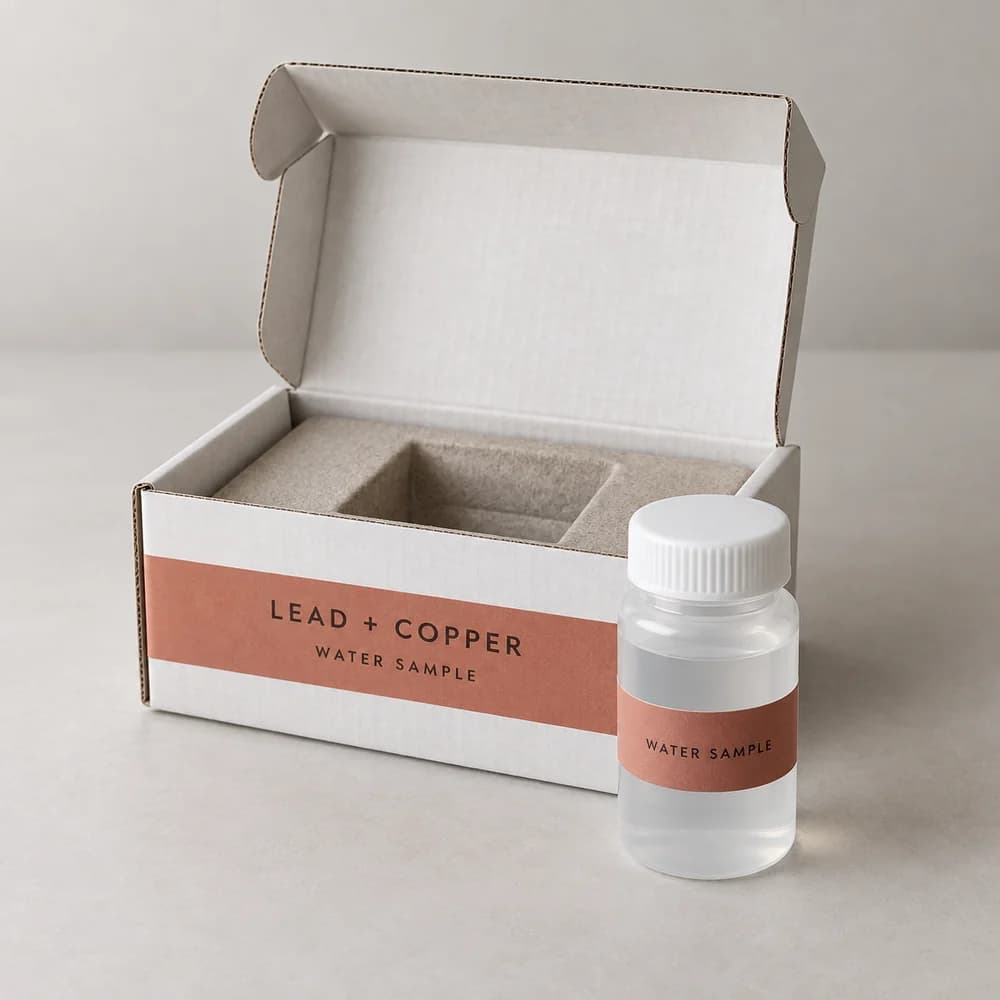
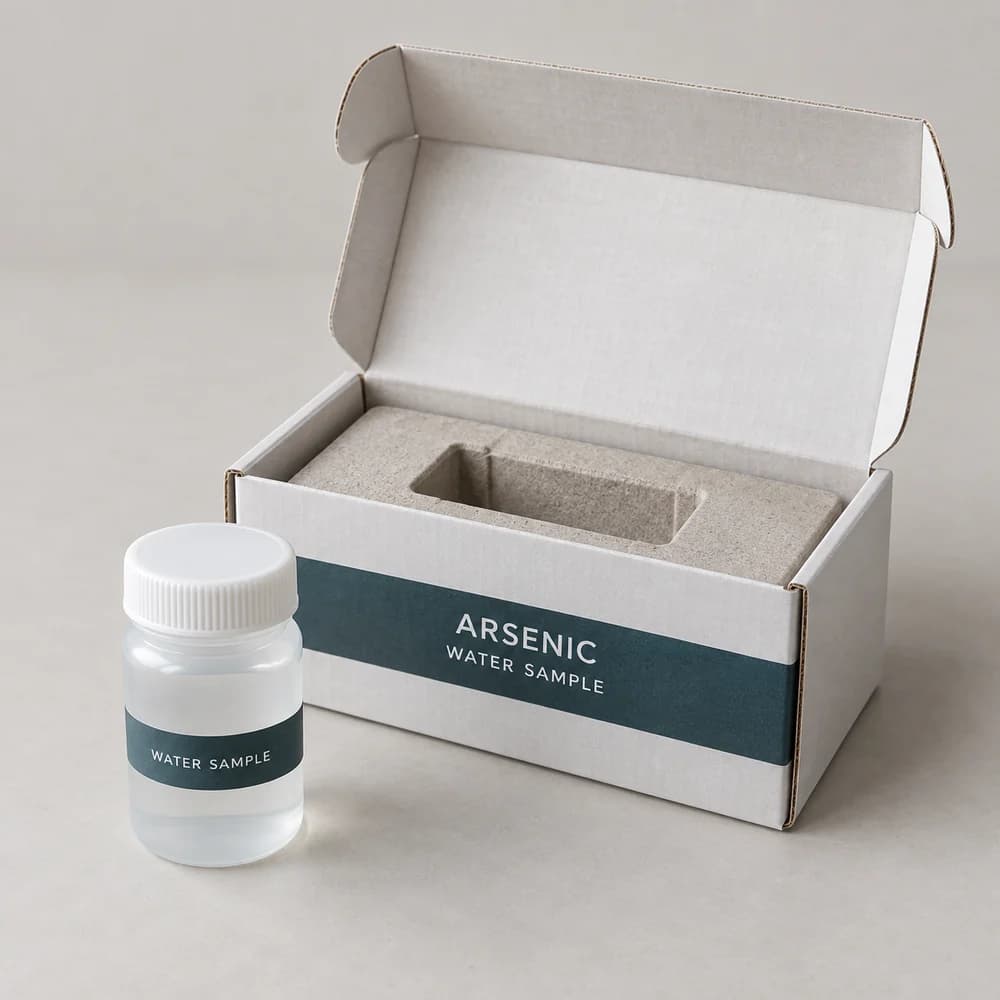
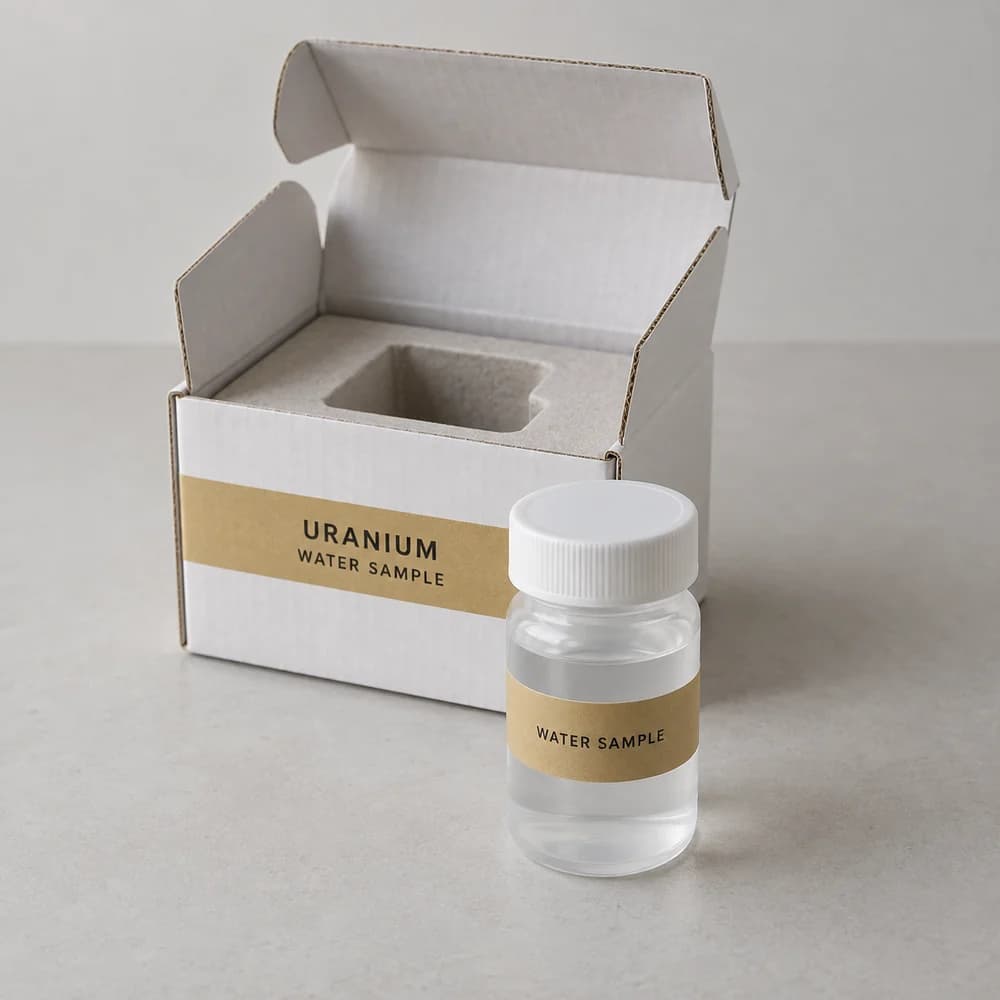
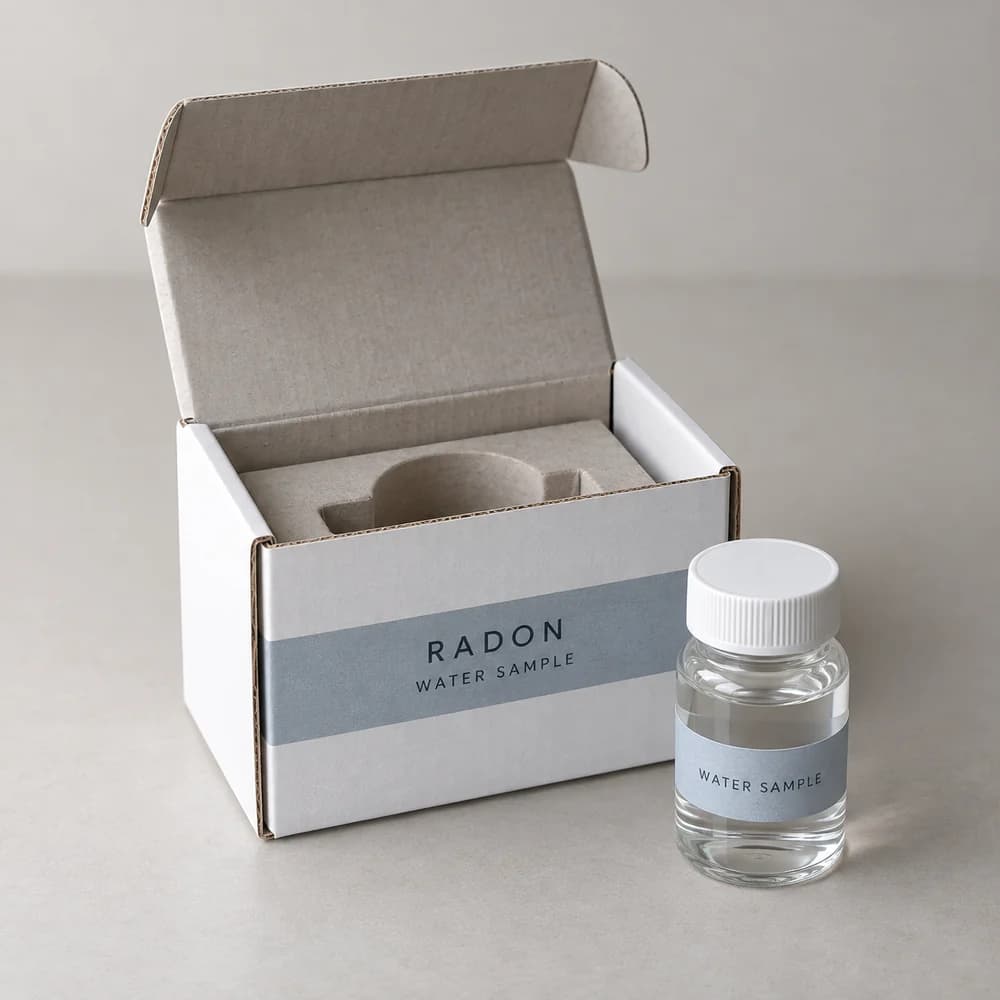
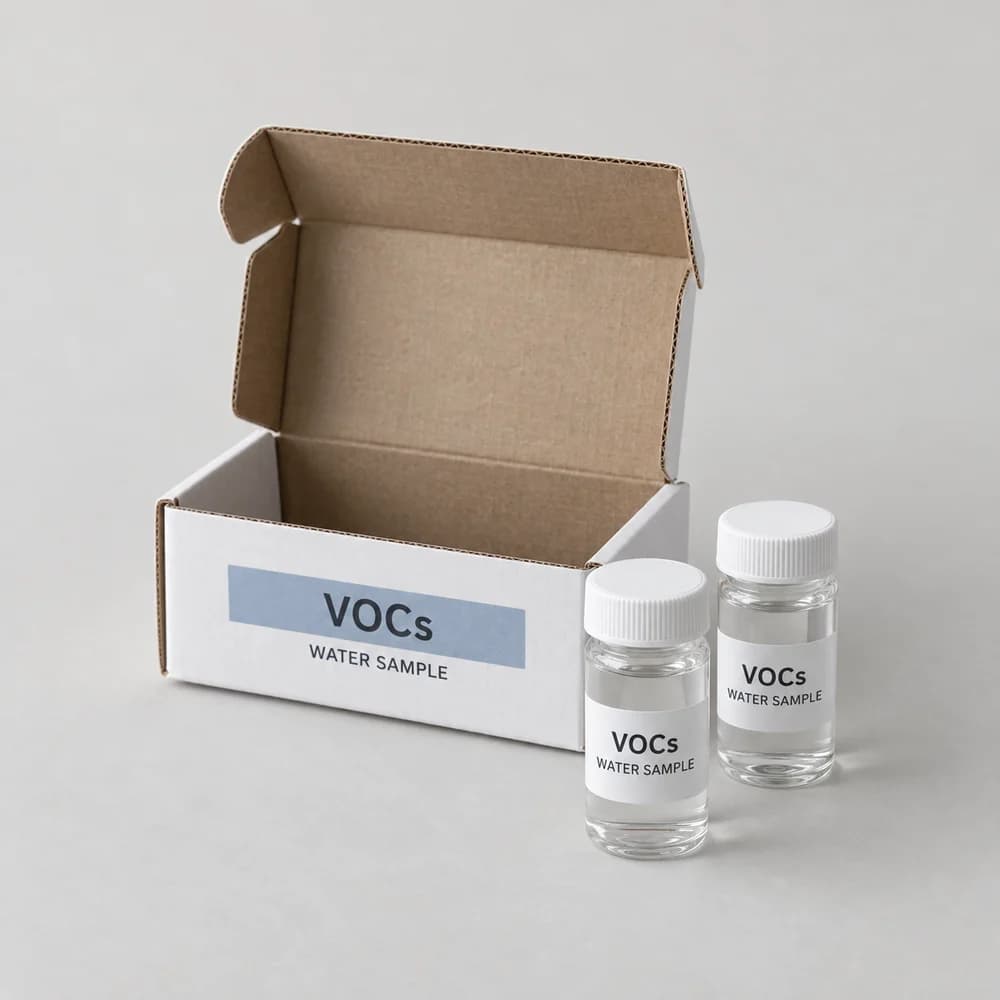
Representative kit image. Packaging and sample containers vary by test.
Laboratory analysis by SimpleLab & the Tap Score laboratory network
At-home collection Prepaid sample return01 / BROADER TESTING
Compare water chemistry panels, with or without bacteria testing. Each panel covers a defined set of contaminants.
Routine well testing
Bacteria · Metals & minerals · Water chemistry
New-well baseline
Bacteria · Expanded metals · Water chemistry
Chemistry panel
Metals · Minerals · Hardness & pH. No bacteria screen.
Buying for a home sale? Confirm the required tests and collection procedures with your lender or local authority first.
From your tap to the lab
Order the test you need. Your kit includes sample containers, collection instructions and prepaid return packaging.
Follow the instructions for your test, then send your sample to the lab using the included return packaging.
Review what was found in your sample, how it compares with drinking-water guidelines and the guidance included with your results.
02 / SPECIFIC CONCERNS
Choose a test for a specific contaminant or group. These tests measure the listed targets; they do not screen for everything.
Images are representative visualizations. Actual kit packaging, container types, and quantities depend on the test ordered.
LABORATORY ANALYSIS & REPORTING
Water tests are fulfilled and analyzed by SimpleLab and its Tap Score certified laboratory network. DrillerDB helps you order the right test for your well; lab analysis and reporting are provided by SimpleLab.
Your report covers the contaminants included in your selected test. No single test checks for every possible water-quality issue.
Need help choosing? Contact usLaboratory analysis
Fulfilled by SimpleLab and its Tap Score certified laboratory network.
Prepaid sample return
Collection instructions and prepaid return packaging come with your kit.
A report you can read
See what was measured and how your results compare with drinking-water guidelines.
BEFORE YOU ORDER
From choosing a kit to collecting your sample.
A useful starting point is bacteria testing plus the chemistry relevant to your well and local conditions. Our combined panels include bacteria, metals, minerals, and water chemistry. Specific concerns, such as PFAS or pesticides, need their own tests. Your local health department can help identify which contaminants to test for.
Most state health departments recommend testing a private well at least once a year for bacteria and nitrate, and any time after flooding, well repairs, a noticeable change in taste, color, or odor, or before buying or selling a home.
Order a kit and it ships to your door. You collect a sample at your tap or wellhead in a few minutes, then mail it back in the prepaid package to the certified lab. You receive an easy-to-read report explaining what was found, how it compares to drinking-water guidelines, and what to do next.
Yes. Samples are analyzed by SimpleLab and its Tap Score certified laboratory network. DrillerDB helps you choose the right test for your well; the certified lab performs the analysis and reporting.
Compare the combined panels for routine testing or a new-well baseline. Choose a targeted test when you need to measure a specific contaminant. For a property sale, confirm the required tests and sampling procedures with your lender or local authority before ordering.