Chat with us, powered by LiveChat
NewDrillerDB Enterprise SalesSee it
Lake Ann, Michigan

Well Drillers Near Lake Ann, Michigan

Lake Ann area typical well is drilled with rotary mud circulation, cased to 50–150 ft, and typically passes through alternating sand/gravel and clay layers, with most residential wells 60–120 ft deep, screened in major sand/gravel aquifer zones.

Showing contractors within 60 miles of Lake Ann. 255 results found.

Typical depth
95 ft
Water table
45 ft
Contractors
255

255 Contractors

Sort by:
B&Z Well Drilling Inc. logo

B&Z Well Drilling Inc.

Active Driller
Maple City, MI 49664
Well DrillingPump ServicesPump Repair+1 more

Bob's Well Drilling

Interlochen, MI 49643
Residential Well DrillingCommercial Well DrillingPump Installation
Cluff Well Drilling logo

Cluff Well Drilling

Traverse City, MI 49684
Well DrillingResidential Well DrillingCommercial Well Drilling+6 more

Great Lakes Well Repair LLC

Active Driller
Lake Ann, MI 49650
Well DrillingWell MaintenanceWell Cleaning+4 more
Kilinski Water Well logo

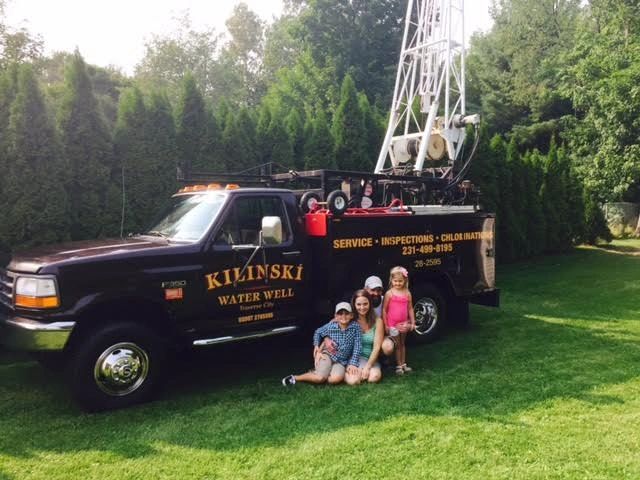
Kilinski Water Well

Traverse City, MI 49685
Well DrillingPump RepairSubmersible Pumps+1 more
Berg Well Drilling logo

Berg Well Drilling

Active Driller
Traverse City, MI 49686
Well DrillingResidential Well DrillingPump Services+6 more
Complete Well and Septic Inspections, LLC logo

Complete Well and Septic Inspections, LLC

Traverse City, MI 49686
Well Inspection
McCardel Culligan of Traverse City logo

McCardel Culligan of Traverse City

5.0 (5)
Traverse City, MI 49696
Water TestingWhole House FiltrationReverse Osmosis+1 more

Pritchard Well Drilling

Arcadia, MI 49613
Well DrillingPump RepairWell Maintenance
Shoebridge/Demerly Well Drilling, Inc, logo

Shoebridge/Demerly Well Drilling, Inc,

Benzonia, MI 49616
Well DrillingWell Maintenance

Sweetwater Well & Pump Inc

Traverse City, MI 49685
Pump InstallationPump RepairConstant Pressure Systems+3 more
Thomas Flint & Son Water Well Drilling logo

Thomas Flint & Son Water Well Drilling

Active Driller
Mesick, MI 49601
Well DrillingIndustrial Well DrillingPump Services+6 more
A & B Well Drilling logo

A & B Well Drilling

Kimball, MI 48074
Well DrillingResidential Well DrillingCommercial Well Drilling+6 more
Aten Well Drilling logo

Aten Well Drilling

Active Driller
Manton, MI 49663
Well DrillingExcavation
Atens Well Drilling logo

Atens Well Drilling

Active Driller
Manton, MI 49663
Well DrillingPump RepairWater Line Repair+1 more
Automatic Septic & Well Corp logo

Automatic Septic & Well Corp

Holland, OH 43528
Well DrillingWell Maintenance

Bingham Well Drilling

East Jordan, MI 49727
Well DrillingWell Maintenance
Binz Bros Well Drilling logo

Binz Bros Well Drilling

Active Driller
Hurley, WI 54534
Well DrillingPump ServicesWell Maintenance

Browse all of Michigan

See every licensed contractor across Michigan.

← All Michigan contractors

Well records near Lake Ann

Check depths and logs of existing wells in the area before you drill.

Open well map →

Michigan well owner guide

Costs, permits, maintenance tips for private wells in Michigan.

Open guide →

Not in Lake Ann? Search well drilling near me in the national directory, or find well repair near me and well pump service near me for work on an existing well.

View Local Geology Report

A geological estimate for the Lake Ann area.

Typical Well Depth
95 ft
Static Water Level
45 ft
Recommended Method
Rotary - Mud Circulation

Detailed Summary

Based on synthesis of sampled well logs from the Lake Ann region, the most representative subsurface section includes: a thin topsoil/sand layer, followed by a sand and gravel unit, then interbedded clay and sand/gravel sequences, often with repeated alternations. The primary aquifer is commonly a medium to coarse sand/gravel unit. Clay layers are prevalent between 30–120 ft, with sand or sand/gravel again prevalent below. Average residential static water level is about 35–55 ft; typical residential wells target the main sand/gravel aquifer at 80–110 ft, while higher capacity/irrigation wells extend to 200–270+ ft and target deeper sand/gravel. Most wells use rotary drilling with bentonite slurry grout and PVC casing.

Expected Geological Layers

Depth (Feet)Formation TypeDescriptionCharacteristics
02 ftTopsoil/SandBrown or tan topsoil with fine sand, thin organic surface.Color: Brown/tan
Hardness: Loose
225 ftSand & GravelMedium to coarse sand with gravel. Good permeability, minor cobbles possible.Color: Tan/brown
Hardness: Loose-medium
2555 ftGravel, Sand, & Clay (Interbedded)Alternating layers of sand, gravel, and clay; occasional stoney zones. Lower permeability.Color: Tan/gray
Hardness: Medium-firm
5580 ftClay with Sand/Gravel StringersGray or tan clay with intermittent sand/gravel lenses, common confining layer.Color: Gray/tan
Hardness: Firm
80120 ftSand & GravelMain aquifer: medium to coarse sand with gravel, high permeability, target for wells.Color: Tan/yellow
Hardness: Loose
120170 ftClay/Sandy ClayStiff gray to tan clay, lesser sand stringers, second confining interval in deeper wells.Color: Gray/tan
Hardness: Firm
170250 ftSand & Gravel (Deep aquifer zone)Coarse sand and gravel, high-yield zone for high-capacity/irrigation wells.Color: Gray/yellow
Hardness: Loose

Frequently Asked Questions

A typical residential well in the Lake Ann area is drilled to approximately 95 feet to ensure a reliable water supply of 5-15+ gallons per minute.

The static water level, or water table, is typically found around 45 feet below the surface in this region.

Based on synthesis of sampled well logs from the Lake Ann region, the most representative subsurface section includes: a thin topsoil/sand layer, followed by a sand and gravel unit, then interbedded clay and sand/gravel sequences, often with repeated alternations. The primary aquifer is commonly a medium to coarse sand/gravel unit. Clay layers are prevalent between 30–120 ft, with sand or sand/gravel again prevalent below. Average residential static water level is about 35–55 ft; typical residential wells target the main sand/gravel aquifer at 80–110 ft, while higher capacity/irrigation wells extend to 200–270+ ft and target deeper sand/gravel. Most wells use rotary drilling with bentonite slurry grout and PVC casing.