Chat with us, powered by LiveChat
Lake City, Michigan

Well Drillers Near Lake City, Michigan

Lake City and surrounding regions typically feature a surficial sand or sandy soil layer overlying mixed glacial sediments, with alternating sand, gravel, and minor clay zones. The most common residential wells target medium to coarse, predominantly water-bearing sand/gravel units between 40-120 ft, with static water levels mostly between 10-80 ft below grade.

Showing contractors within 60 miles of Lake City. 24 results found.

Typical depth
90 ft
Water table
40 ft
Contractors
24

24 Contractors

Sort by:
Aten Well Drilling logo

Aten Well Drilling

Active Driller
Manton, MI 49663
Well DrillingExcavation
Pearson Drilling Company logo

Pearson Drilling Company

Active Driller
Lake City, MI 49651-8604
Residential Well DrillingCommercial Well DrillingWell Maintenance+5 more
Shepler Well Drilling Inc logo

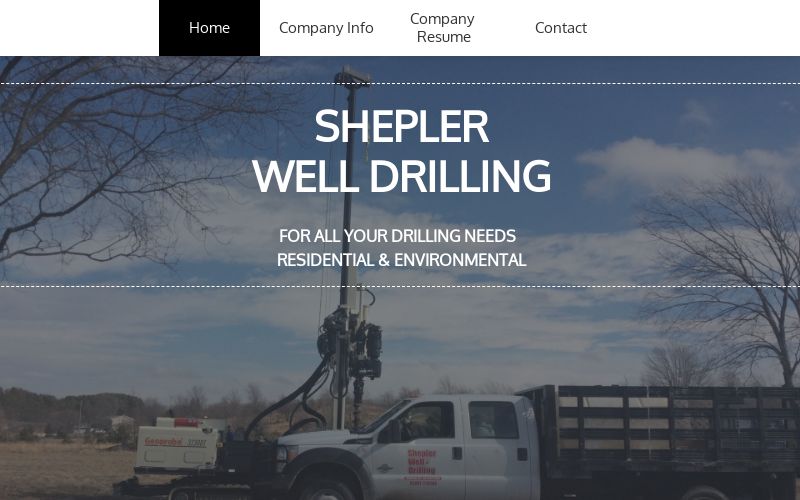
Shepler Well Drilling Inc

Active Driller
Manton, MI 49663
Well DrillingResidential Well DrillingAuger Drilling+9 more
A & B Well Drilling logo

A & B Well Drilling

Kimball, MI 48074
Well DrillingResidential Well DrillingCommercial Well Drilling+6 more
Al's Pump Service logo

Al's Pump Service

Cheboygan, MI 49721
Pump InstallationPump RepairWell Maintenance+1 more
Atens Well Drilling logo

Atens Well Drilling

Active Driller
Manton, MI 49663
Well DrillingPump RepairWater Line Repair+1 more
Automatic Septic & Well Corp logo

Automatic Septic & Well Corp

Holland, OH 43528
Well DrillingWell Maintenance
Binz Bros Well Drilling logo

Binz Bros Well Drilling

Active Driller
Hurley, WI 54534
Well DrillingPump ServicesWell Maintenance
Cluff Well Drilling Company logo

Cluff Well Drilling Company

Active Driller
Traverse City, MI 49684
Well DrillingResidential Well DrillingCommercial Well Drilling+6 more
Dan Wood Company logo

Dan Wood Company

Portage, MI 49002
Pump InstallationPump RepairWell Maintenance+1 more

Dancer & Sons Well Drlg Inc

Harrison, MI 48625
Well DrillingPump RepairConstant Pressure Systems+3 more
Dave Careys Water Well Drilling and Servic logo

Dave Careys Water Well Drilling and Servic

4.7 (66)
Rose City, MI 48654
Well DrillingResidential Well DrillingCommercial Well Drilling+6 more
Denstedt Well Drilling Co logo

Denstedt Well Drilling Co

Active Driller
Hale, MI 48739
Well DrillingWell Maintenance

Dodd and Son Well Drilling LLC

Harrison, MI 48625
Well DrillingResidential Well DrillingCommercial Well Drilling+3 more
Don Oehring Well Drlilling logo

Don Oehring Well Drlilling

Woodhaven, MI 48183
Well DrillingWell Maintenance
Droptiny and Sons Well Drilling logo

Droptiny and Sons Well Drilling

Pinconning, MI 48650
Well DrillingWell Maintenance

Dudgeon Well Service, LLC

Battle Creek, MI 49014
Well DrillingWell Maintenance
Dunhams Well Drilling logo

Dunhams Well Drilling

4.8 (250)
Midland, MI 48642
Well DrillingResidential Well DrillingCommercial Well Drilling+11 more

Dyer Well Drilling & Serv Inc

Active Driller
Lansing, MI 48917
Well DrillingResidential Well DrillingCommercial Well Drilling+6 more

Browse all of Michigan

See every licensed contractor across Michigan.

← All Michigan contractors

Well records near Lake City

Check depths and logs of existing wells in the area before you drill.

Open well map →

Michigan well owner guide

Costs, permits, maintenance tips for private wells in Michigan.

Open guide →
View Local Geology Report

A geological estimate for the Lake City area.

Typical Well Depth
90 ft
Static Water Level
40 ft
Recommended Method
Rotary - Mud Circulation

Detailed Summary

Based on a representative sample of Lake City area well logs, the regional subsurface geology is dominated by a heterogeneous sequence of glacial drift. The uppermost 1-4 ft is generally topsoil or fine sand, underlain by variable layers of sand (often brown or light brown), sand with gravel or gravelly interbeds, and occasional clay lenses (usually tan, red, or gray clay, rarely exceeding 10-30 ft in total thickness). The thickest, most productive aquifers are found in sand or sand/gravel intervals, typically starting 10-40 ft below grade and extending variably to 90-160 ft. Clay is present but not regionally continuous; it is often observed as discontinuous stringers or lenses. Typical static water levels range from 10-80 ft below grade, with 5-15 GPM commonly produced at 50-120 ft total well depth. Deeper wells (>150 ft) may be constructed for higher capacity or redundancy, particularly in coarser zones or where static water is deeper.

Expected Geological Layers

Depth (Feet)Formation TypeDescriptionCharacteristics
02 ftTopsoil/SandVegetated topsoil or fine brown/tan sandColor: Brown/Tan
Hardness: Soft
215 ftSand & GravelMix of brown sand with variable gravel content, occasional minor clay stringersColor: Brown
Hardness: Loose to medium
1540 ftSand/Clay LensesTan to brown sand (medium to coarse), with scattered thin clay layersColor: Brown/Tan, occasional gray/red clay
Hardness: Medium (sand), stiff (clay)
4090 ftWater Bearing Sand & GravelPredominantly water-bearing sand (often medium to coarse) with intermittent gravel; primary aquifer unit for residential wellsColor: Light brown/yellowish
Hardness: Loose to medium
90120 ftSand/Gravel/Minor ClaySandy gravel with possible clay stringers; secondary water-bearing unit, often targeted for higher-yield wellsColor: Mixed
Hardness: Loose to medium
120150 ftSand & Gravel (Deep Aquifer)Coarser sand/gravel mix, regionally variable; locally thickened with deep water-bearing zonesColor: Light brown/gray
Hardness: Medium

Frequently Asked Questions

A typical residential well in the Lake City area is drilled to approximately 90 feet to ensure a reliable water supply of 5-15+ gallons per minute.

The static water level, or water table, is typically found around 40 feet below the surface in this region.

Based on a representative sample of Lake City area well logs, the regional subsurface geology is dominated by a heterogeneous sequence of glacial drift. The uppermost 1-4 ft is generally topsoil or fine sand, underlain by variable layers of sand (often brown or light brown), sand with gravel or gravelly interbeds, and occasional clay lenses (usually tan, red, or gray clay, rarely exceeding 10-30 ft in total thickness). The thickest, most productive aquifers are found in sand or sand/gravel intervals, typically starting 10-40 ft below grade and extending variably to 90-160 ft. Clay is present but not regionally continuous; it is often observed as discontinuous stringers or lenses. Typical static water levels range from 10-80 ft below grade, with 5-15 GPM commonly produced at 50-120 ft total well depth. Deeper wells (>150 ft) may be constructed for higher capacity or redundancy, particularly in coarser zones or where static water is deeper.